
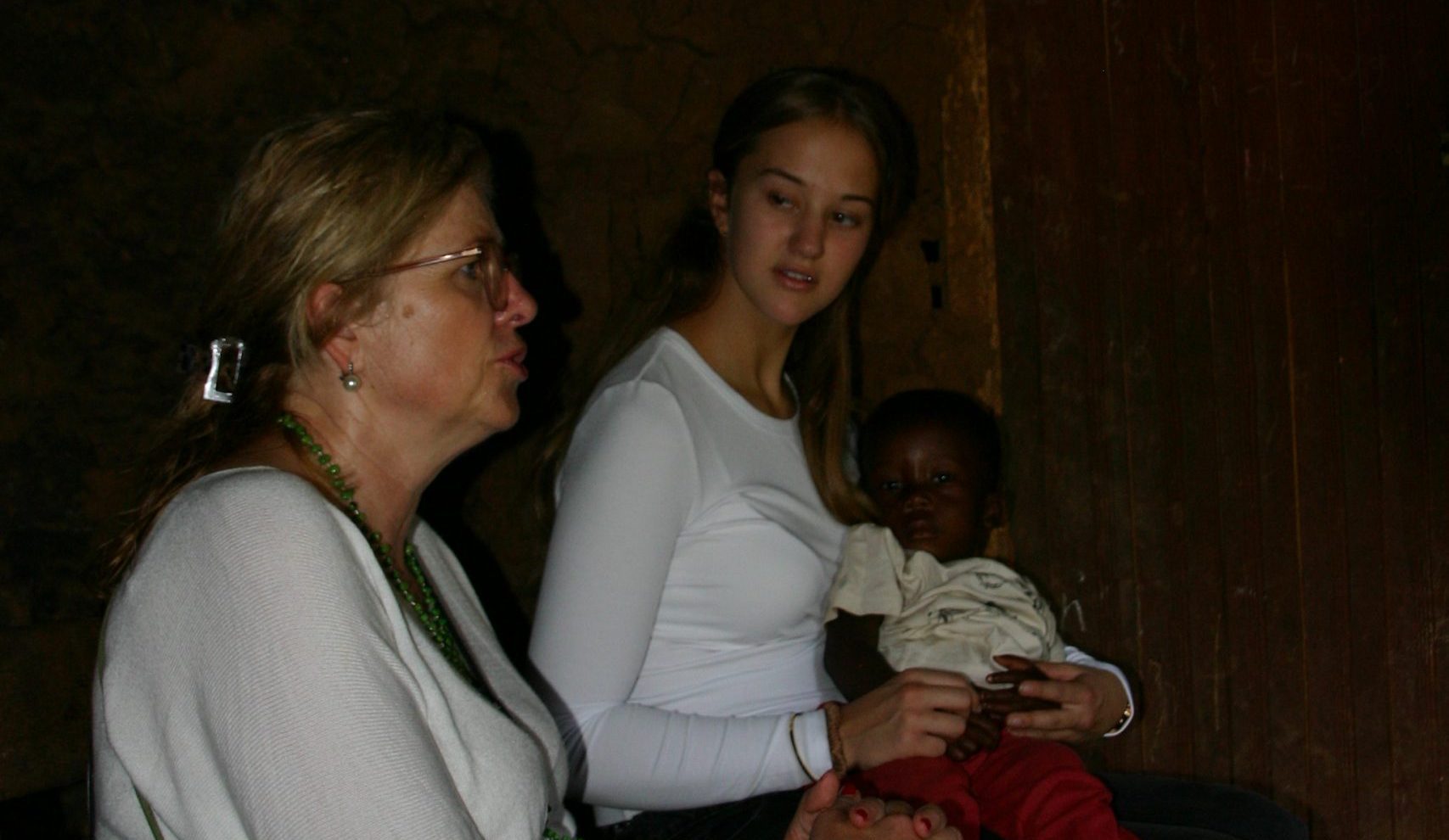
By Youma Kromer
Honoring Differences, Not Erasing Them
What if equality didn’t mean becoming the same, but honoring what makes us different?
For centuries, society has measured women against male standards, defining leadership, strength, and success through a narrow lens. Yet women have always led, built, and shaped our world, often quietly, invisibly, and without due recognition. Today, that invisibility must be challenged.
Yes, the world made progress. Women today hold spaces previously closed to them: female CEOs, scientists, activists, and politicians now shape our global community. But beneath this visible progress lie persistent inequalities.
Globally, women earn approximately 83 cents for every dollar men earn, reflecting a 17% pay gap.https://www.investopedia.com , https://www.equalpaytoday.org
Violence remains pervasive: Globally, nearly 1 in 3 women have experienced physical or sexual violence in their lifetime. World Health Organization, UN Women Data
The UN’s 193 member states recently committed to accelerate action on equality—but acknowledged that progress remains slow, uneven, and under threat. https://apnews.com
Equality isn’t just a moral imperative—it’s an economic one. The World Bank estimates that eliminating discriminatory laws and barriers could boost global GDP by over 20%. —Reuters
This isn’t theoretical. In Rwanda, following the genocide, women took leadership roles in rebuilding the nation—prioritizing education, healthcare, and reconciliation. Rwanda now has one of the highest rates of female parliamentary representation in the world. This isn’t coincidence—it’s what happens when we allow women to lead as themselves.
“My mother told me that courage is not about being strong in a conventional sense—it’s about speaking even when your voice trembles.” — Malala Yousafzai
Malala’s words remind us that courage isn’t the absence of fear, but the choice to act despite it. In the fight for women’s rights, many battles are won by those whose voices shake, from Rwandan women rebuilding their nation after genocide to activists challenging laws in the U.S. Their strength lies not in being unafraid, but in refusing to be silent.
Men and women are not the same, and that is not a flaw to fix, but a truth to honor. Our differences are not shortcomings; they are sources of strength. Equality is not about erasing those differences, but about valuing them fully.